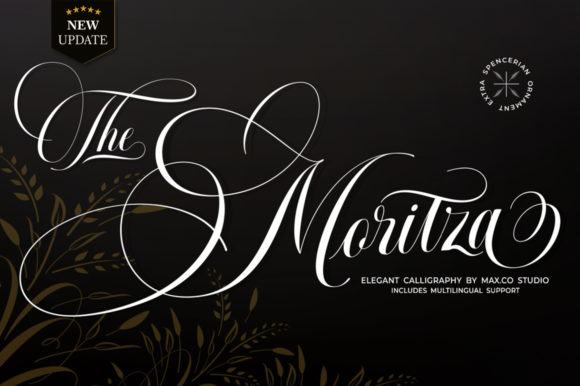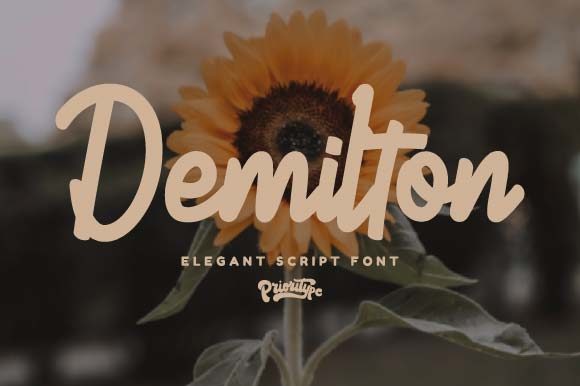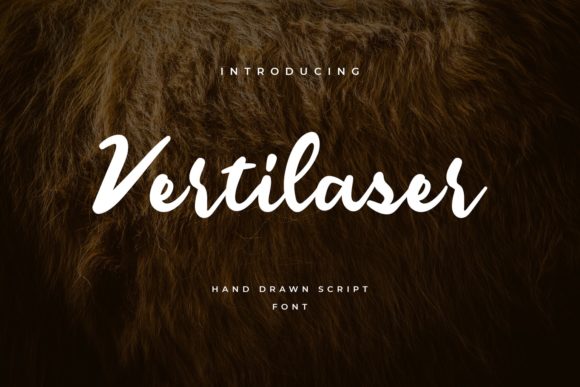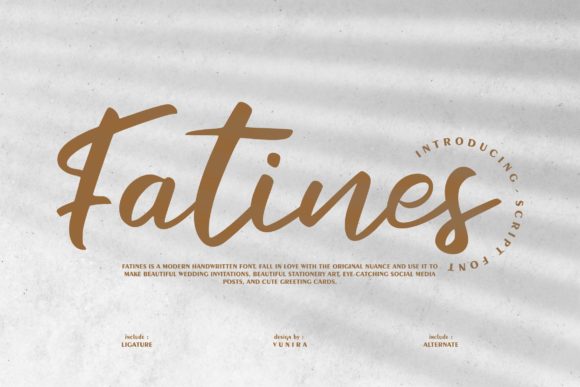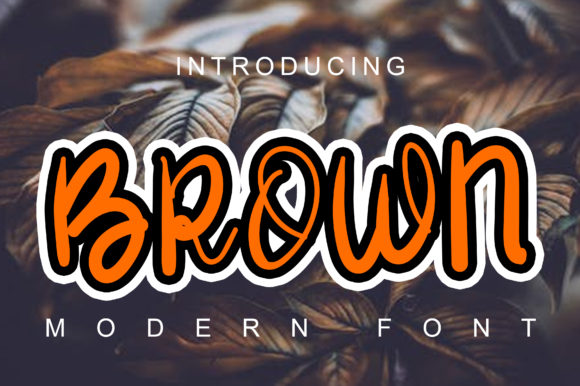
Brown Font: Elegance in Handwritten Typography
As a web designer or digital product creator, choosing the right Brown font is essential to crafting an engaging and cohesive online presence. Brown, a Script Handwritten typeface with a refined and artistic feel, brings warmth and sophistication to any design project. Whether you're building a landing page, designing a brand-focused website, or creating banners for an online store, this handwritten font can elevate your visuals without compromising readability.
Brown for Wedding Websites and Personalized Branding
The Brown script font exudes a sense of delicacy and elegance that makes it ideal for wedding websites, boutique brands, and creative entrepreneurs. Its well-rounded letters offer a soft, approachable look while maintaining a level of professionalism that’s perfect for high-end designs. When used in hero sections or headers, Brown adds a personal touch that helps establish emotional connections with users — a key factor in conversion-focused layouts.
For instance, a wedding invitation site using Brown can immediately set a romantic and bespoke tone. The font's handwritten style gives the impression of a custom-designed experience, which is exactly what couples want to convey when sharing their big day with guests.
Why Brown Works for Brand-Focused Web Experiences
Incorporating Brown into your brand identity ensures consistency across all digital touchpoints. From logo text to email signatures, its unique personality reinforces a brand’s voice and values. Unlike generic sans serif or serif fonts, Brown carries a narrative — one of craftsmanship and care.
Consider a luxury skincare brand using Brown as part of its brand assets. The font's delicate curves and elegant structure reflect the brand's commitment to quality and aesthetics. This kind of visual storytelling is powerful in UI design and user experience, especially when paired with minimal backgrounds and thoughtful spacing.
Brown in Landing Pages and Conversion-Driven Layouts
Landing pages need to make an immediate impact, and Brown delivers just that. As a display font, it shines in short, impactful phrases like call-to-action buttons, headlines, and promotional banners. Its versatility allows it to work in both editorial and commercial contexts, making it a go-to choice for SaaS founders and marketers aiming to build trust through typography.
- Hero section headlines benefit from Brown’s bold yet graceful strokes.
- Short taglines and subheaders are more memorable when styled with this Script Handwritten font.
- CTA buttons using Brown create a sense of urgency and exclusivity.
To maximize readability on mobile screens, ensure that the font size is at least 24px for body copy and larger for headings. Pair Brown with a clean sans serif font for body content to maintain balance and avoid overwhelming the reader. This font pairing strategy keeps the layout scannable and accessible while still allowing Brown to stand out where it matters most.
Brown for Creative Portfolios and Artistic Websites
Creative professionals often rely on fonts that express their individuality, and Brown fits the bill perfectly. For portfolio sites, especially those in illustration, photography, or fashion, using Brown can enhance the overall aesthetic by adding a human touch to digital interfaces. The font works especially well in section headings and project titles, helping to guide the viewer through the content with ease.
When working with image overlays or dark background sections, test the contrast of Brown to ensure legibility. A lighter weight might be necessary in some cases, but its inherent clarity usually holds up well under different conditions. Always consider the rhythm of the layout — even a beautiful Script Handwritten font needs proper line height and letter spacing to function effectively.
Brown in Online Stores and Product Banners
E-commerce platforms thrive on visual appeal, and Brown can help differentiate your online store from the competition. Its versatile style makes it suitable for product banners, category headers, and promotional messages. Boutique stores selling handmade goods, vintage items, or artisanal products will find Brown particularly fitting due to its handcrafted nature.
Use Brown sparingly in high-traffic areas like sale announcements or featured product tiles. Too much decorative font can hinder scanning behavior, so keep product names and pricing in simpler styles while using Brown for accents or branding elements. This strategic use maintains clarity while enhancing the store’s charm and authenticity.
Brown for Blog Headers and Content Sections
Bloggers and content creators can leverage Brown to add a personal flair to their headers and section titles. It’s especially effective in niches like lifestyle, beauty, or wellness, where the font’s gentle and organic feel aligns with the content’s tone. In editorial design, Brown can be used to break up long blocks of text and introduce new topics with a soft transition.
However, it’s not recommended for large bodies of text. Instead, reserve Brown for blog post titles, chapter headings, and pull quotes. Use it in combination with a modern sans serif font for the rest of the content to maintain a comfortable reading flow. This approach supports both visual hierarchy and user engagement, keeping readers interested without causing eye strain.
Brown in Digital Ads and Social Media Graphics
Digital ads require attention-grabbing visuals, and Brown offers the perfect blend of artistry and legibility. Use it for short phrases, headlines, or branded slogans in social media posts, YouTube thumbnails, or Instagram stories. Its natural variation in stroke width and letter shape helps each ad feel unique while staying aligned with the brand’s identity.
When designing for smaller screens or fast-scrolling feeds, stick to bolder weights of Brown to ensure visibility. Avoid overusing alternates unless they serve a specific purpose — sometimes less is more in advertising. Also, consider how Brown interacts with other design elements such as icons, images, and color schemes to maintain a cohesive look.
Font Pairing Strategies with Brown
Effective font pairing is crucial in UI and web design, and Brown pairs well with several font categories. For a balanced layout, combine it with a minimalist sans serif like Helvetica Neue or Lato for body text. If you're going for a more editorial or print-inspired feel, pair Brown with a classic serif such as Georgia or Garamond.
Here are a few practical combinations:
- Brown + Lato: Modern and elegant for SaaS and tech landing pages.
- Brown + Playfair Display: Sophisticated and timeless for lifestyle or fashion blogs.
- Brown + Montserrat: Clean and creative for startup websites or course sales pages.
Always preview these pairings in real-world scenarios — especially on responsive layouts. The goal is to ensure that Brown complements rather than competes with supporting text.
Commercial Use and Licensing Considerations
If you’re planning to use Brown in client projects, online stores, or digital templates, it’s important to check its licensing terms. Most premium Fonts require a commercial license for use in websites, marketing materials, and software applications. Make sure the license includes webfont formats (like WOFF or TTF) if you plan to embed the font directly into your site or app.
Also verify whether the font supports multiple languages if your audience is global. Many Script Handwritten fonts include Latin, Cyrillic, or Greek character sets, but it’s always best to confirm before purchasing. Some font providers also offer access to alternates and ligatures, which can give your design an extra layer of sophistication and uniqueness.
Designing with Brown: Best Practices
Here are a few tips for getting the most out of Brown in your next project:
- Limit its use to display text — it’s not ideal for long paragraphs or small buttons.
- Ensure sufficient contrast against background colors, especially on light or textured surfaces.
- Use Brown consistently across all branded content to reinforce visual identity.
- Test how it looks at different sizes and resolutions, particularly on mobile devices.
By following these guidelines, you’ll maintain the font’s integrity while ensuring usability remains intact. Think of Brown as a signature element in your design toolkit — something that adds character without sacrificing function.
Brown for Logo Design and Branded Elements
A strong logo relies on a font that communicates the brand’s essence clearly and memorably. Brown, with its distinct and rounded letterforms, is excellent for logos that aim to convey creativity, elegance, and authenticity. It works particularly well for small businesses, coaching websites, and indie studios that value a personal connection with their audience.
When designing a logo with Brown, experiment with spacing and alignment to highlight the font’s natural rhythm. You may also consider using it in conjunction with a secondary Fonts for taglines or subtitles. Just remember to scale the font appropriately — too large and it becomes overwhelming; too small and it loses impact.
Brown in App Screens and Mobile Interfaces
Mobile-first design has become the norm, and Brown adapts well to this trend when used thoughtfully. In app screens, it can be applied to feature headers, onboarding messages, and interactive buttons to create a welcoming and stylish interface. Its subtle variations in letterform help distinguish different elements without requiring additional visual cues.
Be cautious when applying Brown to micro-interactions or navigation menus. These areas typically need high legibility and quick recognition, which a more stylized Script Handwritten font may not provide. Instead, use it in splash screens, welcome modals, or profile sections where it can shine without affecting usability.
Final Thoughts on Integrating Brown into Your Projects
Whether you're a seasoned web designer or just starting with Fonts for your digital creations, Brown is a valuable addition to your typographic arsenal. Its ability to blend elegance with functionality makes it a favorite among designers who want to craft visually rich yet user-friendly experiences.
From wedding sites and creative portfolios to e-commerce banners and branding kits, Brown adds a layer of sophistication that enhances every project. Its unique style doesn’t just look good — it works well in real-world layouts, helping you communicate your message with clarity and confidence.
Ready to bring a touch of handwritten grace to your next design? Explore Brown and see how it transforms your digital projects into something truly spectacular.